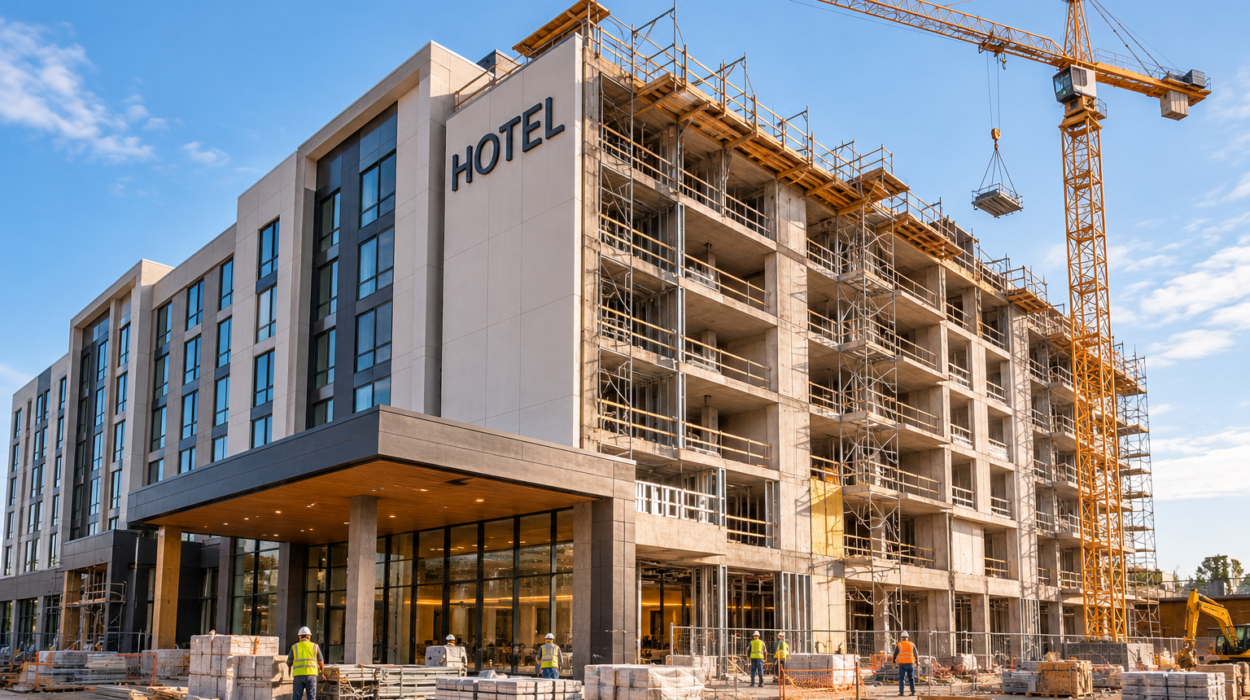
Digital marketing can help hotel construction companies reach property developers, investors, hotel owners, and other decision-makers responsible for major building projects. However, promoting specialist construction services requires a different approach from marketing products or services to everyday consumers.
Hotel construction contracts often involve substantial budgets, lengthy planning periods, and detailed procurement processes.
Potential clients may research several contractors before requesting proposals. They may also evaluate previous projects, technical capabilities, financial stability, and industry reputation.
Consequently, effective digital marketing should focus on credibility and attracting relevant enquiries rather than simply generating website traffic.
A well-planned strategy combines search engine visibility, professional networking, useful content, and clear evidence of construction experience.
This guide explores practical digital marketing strategies that hotel construction contractors can use to strengthen their online presence and attract more suitable business opportunities.
Define Your Digital Marketing Objectives
Before investing in digital marketing, establish what your company wants to achieve.
Some contractors want to attract independent hotel developers.
Others may focus on larger developments commissioned by property investment companies or established hotel groups.
Your objectives should reflect your construction capabilities.
Consider the types of projects you want to secure.
Identify suitable contract values.
Define your geographical coverage.
Assess your available resources.
Decide which clients you want to reach.
Avoid pursuing website traffic without considering whether visitors represent potential customers.
Clear objectives make marketing decisions easier.
Understand Your Target Audience
Hotel construction projects involve several types of decision-makers.
These may include property developers, hotel owners, investors, project managers, and construction consultants.
Different audiences have different priorities.
Developers may focus on programme reliability and financial performance.
Hotel owners may be particularly concerned about building quality and opening dates.
Project managers may evaluate technical competence and construction management procedures.
Research your target clients.
Understand their requirements.
Adapt your marketing messages accordingly.
Avoid using identical promotional content for every audience.
Create a Professional Hotel Construction Website
Your website should act as a central source of information about your business.
Potential clients need to understand your capabilities quickly.
Create a dedicated hotel construction service page.
Explain the types of projects you undertake.
Showcase relevant completed developments.
Introduce your company.
Highlight suitable qualifications.
Provide clear contact information.
Ensure the website works properly on mobile devices.
Avoid unnecessary visual clutter.
A professional website can support both lead generation and contractor evaluation.
Improve Your Search Engine Visibility
Search engines can help potential clients discover construction contractors.
However, hotel construction is a specialist market.
Your website should target relevant searches rather than broad construction-related traffic.
A professional hotel construction SEO company can help improve technical performance, website structure, and organic search visibility.
Focus on useful service pages.
Create descriptive page titles.
Improve internal linking.
Publish relevant supporting content.
Maintain accurate business information.
Avoid excessive keyword repetition.
Search rankings aren’t guaranteed, but improved visibility can help introduce your business to suitable prospects.
Develop a Hotel Construction Content Strategy
Content marketing can help demonstrate your company’s understanding of hotel development.
Potential clients may research construction challenges before contacting contractors.
Publish articles addressing relevant questions.
Topics might include hotel construction planning, budgeting, project scheduling, building services, and refurbishment considerations.
Provide practical explanations.
Use accurate information.
Reference genuine experience.
Avoid publishing generic articles that offer little value.
Useful content can support your website’s authority and encourage visitors to explore your services.
Publish Detailed Project Case Studies
Case studies are particularly valuable in construction marketing.
They provide evidence of previous experience.
Explain the project scope.
Identify your responsibilities.
Describe significant challenges.
Discuss relevant construction methods.
Highlight verified outcomes.
Include genuine photographs where permitted.
Avoid exaggerating your company’s involvement.
Detailed case studies help prospective clients evaluate your suitability for similar developments.
Use Professional Construction Photography
Visual content can strengthen your website and marketing materials.
Photographs help developers understand the scale and quality of completed projects.
Capture relevant construction stages.
Show important architectural features.
Document suitable technical installations.
Include completed building photographs.
Obtain necessary permissions.
Avoid publishing confidential project information.
Professional images should support accurate project descriptions rather than replace them.
Optimise Your Website for Conversions
Attracting visitors is only useful when suitable prospects can contact your company.
Review your website’s enquiry process.
Make contact details visible.
Use straightforward enquiry forms.
Provide clear service information.
Include relevant project examples.
Explain appropriate next steps.
Avoid requiring excessive information before an initial discussion.
A simple contact process can help turn interested visitors into meaningful enquiries.
Use LinkedIn for Professional Networking
LinkedIn is particularly relevant for reaching business professionals.
Hotel developers, property investors, architects, and project managers may use the platform.
Create an accurate company profile.
Share completed project updates.
Publish useful industry insights.
Connect with relevant professionals.
Participate in suitable discussions.
Avoid repetitive sales messages.
A consistent professional presence can help potential clients become familiar with your company.
Build Personal Brands for Key Team Members
Construction businesses often benefit from showcasing experienced professionals.
Project directors, construction managers, and company owners may have valuable knowledge to share.
Encourage appropriate professional participation.
Publish relevant insights.
Discuss construction challenges.
Share genuine project achievements.
Maintain accurate professional profiles.
Avoid unsupported claims about expertise.
Visible leadership can make a construction company more approachable and credible.
Consider Google Ads for Targeted Enquiries
Paid search advertising may help reach people researching hotel construction services.
However, broad campaigns can generate irrelevant traffic.
Choose commercially relevant search terms.
Use suitable geographical targeting.
Create focused landing pages.
Monitor advertising costs.
Track qualified enquiries.
Review campaign performance.
Avoid judging success entirely by clicks.
A smaller number of suitable leads may provide greater value than large volumes of unrelated visitors.
Use Remarketing Carefully
Some potential clients may visit your website without making contact.
Remarketing can help maintain awareness among previous visitors where appropriate.
However, construction purchasing decisions often involve several stakeholders and lengthy research periods.
Use relevant professional messaging.
Avoid excessive advertising frequency.
Respect applicable privacy and consent requirements.
Measure meaningful engagement.
Don’t assume every returning visitor represents an active prospect.
Remarketing should support a wider business development strategy.
Build Visibility Through Industry Publications
Construction and hospitality property publications can help introduce your company to relevant audiences.
Consider sharing genuine company news.
Examples include completed hotel projects, significant appointments, and technical achievements.
Prepare accurate announcements.
Provide suitable photographs.
Contact relevant publications.
Avoid exaggerated promotional claims.
Industry coverage can complement your website and professional networking activities.
Develop Relevant Industry Backlinks
Links from reputable websites can help users discover your company and may support organic search visibility.
Focus on genuine industry relationships.
Potential opportunities include relevant professional associations, supplier case studies, and editorial coverage of completed projects.
Publish useful information worth referencing.
Maintain accurate company profiles.
Avoid participating in manipulative link schemes.
Prioritise relevance and credibility over the number of links acquired.
Improve Your Regional Online Presence
Hotel construction companies may operate within particular geographical markets.
If regional coverage matters to your business, communicate it clearly.
Include accurate location information.
Showcase completed projects in relevant areas.
Maintain consistent contact details.
Build relationships with regional property professionals.
Avoid producing numerous duplicate location pages.
Useful geographical information can help developers assess whether your company operates in their target area.
Use Email Marketing for Professional Relationships
Email can support ongoing communication with relevant business contacts.
However, construction marketing should remain professional and targeted.
Share suitable project updates.
Provide useful company news.
Highlight relevant capabilities.
Maintain accurate contact records.
Respect applicable marketing and privacy requirements.
Avoid sending unsolicited bulk promotional messages without a lawful basis.
The objective is to maintain meaningful professional relationships.
Create Downloadable Capability Statements
A capability statement provides a concise overview of your construction business.
It can be shared through your website or during professional discussions.
Include your company background.
Explain relevant services.
Highlight suitable project experience.
Introduce key personnel.
Describe geographical coverage.
Provide accurate contact information.
Avoid unsupported promotional language.
A well-prepared document helps prospective clients evaluate your company efficiently.
Monitor Hotel Development Opportunities Online
Digital research can help contractors identify potential clients before formal procurement begins.
Review relevant planning applications.
Follow property development announcements.
Monitor hospitality investment news.
Research active hotel developers.
Track suitable construction tenders.
Maintain an organised opportunity database.
Avoid treating speculative announcements as confirmed contracts.
Regular research can support a stronger business development pipeline.
Use Video to Demonstrate Construction Expertise
Video content can provide an engaging way to showcase your projects.
Consider producing short project walkthroughs.
Introduce relevant team members.
Explain construction challenges.
Document suitable building stages.
Discuss completed developments.
Obtain appropriate permissions before filming.
Avoid revealing confidential information.
Professional video content can complement written case studies and construction photography.
Maintain Consistent Branding Across Platforms
Your company should present a consistent professional identity.
Use accurate business information.
Maintain recognisable visual branding.
Keep service descriptions aligned.
Update contact details.
Use appropriate project photographs.
Avoid contradictory claims across different platforms.
Consistency helps potential clients recognise your business and understand its capabilities.
Track Website Analytics
Website analytics can help explain how visitors discover and use your website.
Monitor relevant traffic sources.
Review popular service pages.
Identify useful supporting articles.
Track enquiry submissions.
Assess visitor engagement.
Avoid interpreting traffic growth as proof of commercial success.
The most valuable insights relate to whether your website attracts suitable construction prospects.
Measure Marketing Return on Investment
Digital marketing should support commercial objectives.
Track qualified leads.
Record enquiry sources.
Monitor tender invitations.
Review proposal outcomes.
Assess contract values.
Consider marketing expenditure.
Evaluate profitability where possible.
Avoid focusing exclusively on impressions, clicks, or social media followers.
Meaningful business results provide a clearer measure of performance.
Common Digital Marketing Mistakes
Several mistakes can reduce the effectiveness of hotel construction marketing.
These include:
- Targeting overly broad audiences.
- Neglecting project case studies.
- Publishing generic content.
- Using outdated website information.
- Ignoring mobile usability.
- Running poorly targeted advertising.
- Sending aggressive sales messages.
- Making unsupported claims.
- Failing to track enquiries.
- Measuring success only through website traffic.
Avoid copying marketing strategies designed for unrelated consumer industries.
Hotel construction requires a more focused professional approach.
Create a Sustainable Digital Marketing Plan
Start by identifying your ideal clients.
Review your company’s strongest capabilities.
Improve your website.
Publish relevant case studies.
Develop useful supporting content.
Maintain an active LinkedIn presence.
Build professional industry relationships.
Consider targeted advertising.
Monitor upcoming developments.
Track qualified enquiries.
Review performance regularly.
A consistent strategy is generally more manageable than launching numerous disconnected marketing activities.
Final Thoughts
Digital marketing can help hotel construction companies strengthen their visibility and attract relevant business opportunities.
A professional website provides the foundation.
Search optimisation can help potential clients discover your services, while detailed case studies demonstrate genuine construction experience.
LinkedIn, industry publications, and targeted advertising can support wider professional awareness.
However, successful marketing depends on reaching the right audience.
Hotel developers want contractors who can demonstrate technical competence, reliable project management, and the resources to deliver demanding developments.
By combining relevant content, professional networking, clear service information, and meaningful performance measurement, hotel construction companies can build a stronger online presence and generate more valuable enquiries.
