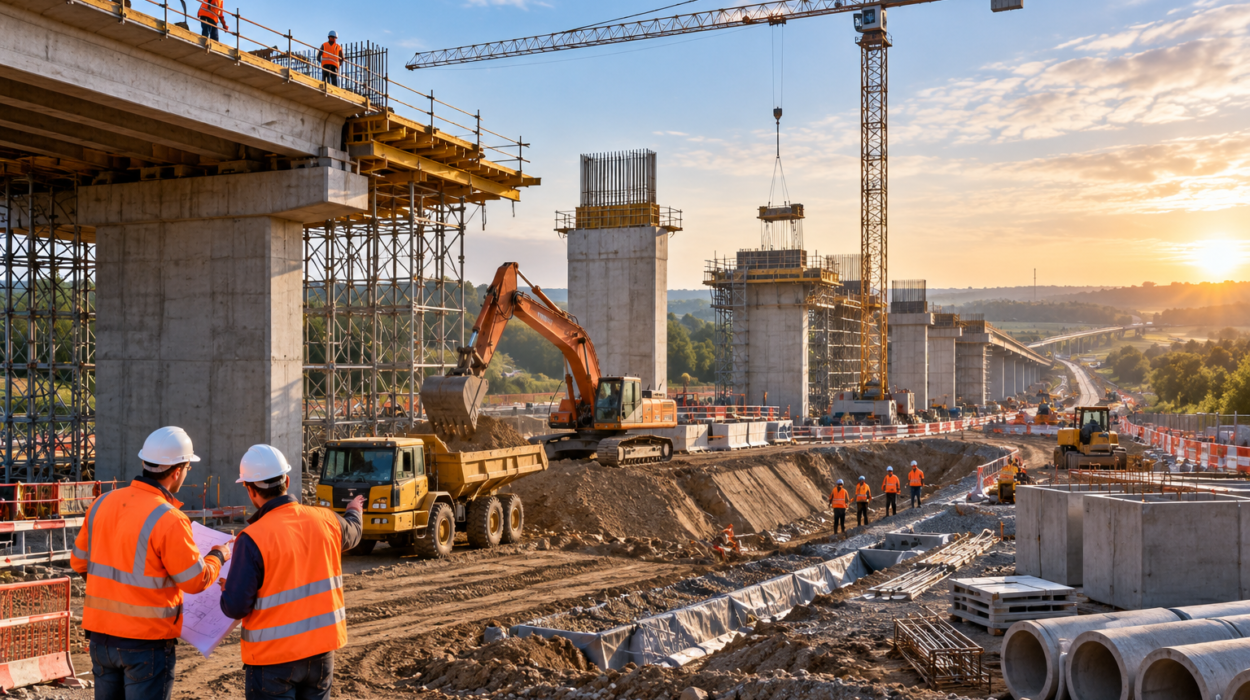
Infrastructure construction companies often discover new projects through formal tender notices. These opportunities provide useful information about contract requirements, deadlines, and procurement procedures.
However, by the time a tender becomes publicly available, several competing contractors may already be preparing their submissions.
Some businesses may also have developed relationships with the project owner or gained a better understanding of the proposed development through legitimate early engagement.
Finding infrastructure opportunities before formal tendering can therefore provide a valuable business development advantage.
Early research gives contractors more time to understand potential projects, assess their suitability, and prepare relevant capability information.
It can also help companies identify future workload opportunities and develop professional relationships with project owners, consultants, and developers.
However, early awareness doesn’t guarantee a contract or provide privileged access to procurement.
This guide explains how infrastructure construction companies can identify proposed developments, track project progress, and prepare for suitable opportunities before formal tendering begins.
Why Early Infrastructure Project Research Matters
Infrastructure developments can involve lengthy planning and approval processes.
Projects may progress through feasibility studies, funding decisions, design development, environmental assessments, and procurement planning.
Contractors who monitor these stages can develop a clearer understanding of future market activity.
Early research provides several benefits.
It allows companies to identify suitable developments.
It supports workforce planning.
It creates time to review technical capabilities.
It helps businesses prepare procurement documentation.
It also provides opportunities for appropriate professional networking.
However, early-stage projects may change significantly before construction begins.
Reliable research requires regular verification.
Understand the Infrastructure Project Lifecycle
Before identifying opportunities, understand how infrastructure developments typically progress.
A project may begin with an identified transport, utility, or public service requirement.
Feasibility assessments may follow.
Funding and planning decisions can influence whether the development proceeds.
Detailed design and procurement arrangements may then be established.
Construction begins only after the necessary approvals and contractual arrangements are in place.
These stages vary between projects.
Avoid assuming that every infrastructure development follows an identical process.
Understanding the lifecycle helps contractors evaluate opportunities realistically.
Define the Infrastructure Projects You Want to Target
Infrastructure construction covers numerous specialist sectors.
These may include highways, bridges, drainage systems, utilities, rail infrastructure, and public works.
Not every project will suit your business.
Identify relevant technical capabilities.
Review preferred contract values.
Consider geographical coverage.
Assess workforce capacity.
Understand financial limitations.
Avoid pursuing developments beyond your company’s resources.
Clear criteria help focus research on commercially relevant opportunities.
Monitor Government Infrastructure Investment Plans
Government bodies may publish information about proposed infrastructure programmes.
These documents can provide insight into future development priorities.
Review relevant investment strategies.
Research published infrastructure plans.
Identify suitable project categories.
Track proposed locations.
Monitor official updates.
Record relevant developments.
Avoid assuming that every announced project has secured funding.
Investment priorities and delivery schedules can change.
Research Local Authority Development Programmes
Local authorities may publish plans involving roads, transport improvements, drainage infrastructure, and public facilities.
These programmes can indicate future construction activity.
Review council investment documents.
Monitor relevant committee decisions.
Research published project announcements.
Identify appropriate departments.
Track planning progress.
Avoid treating preliminary proposals as confirmed contracts.
Public information should be reviewed regularly.
Follow Transport Infrastructure Organisations
Transport authorities and infrastructure operators may publish information about proposed upgrades and new developments.
These can involve highways, bridges, rail facilities, and associated infrastructure.
Research relevant organisations.
Review published investment programmes.
Monitor project announcements.
Track development milestones.
Identify appropriate procurement information.
Avoid assuming that all transport projects use the same procurement process.
Some opportunities may be delivered through existing frameworks.
Monitor Utility Infrastructure Investment
Utility providers may undertake substantial infrastructure programmes.
Projects can involve water networks, wastewater facilities, energy infrastructure, and associated civil engineering works.
Research relevant utility companies.
Review public investment announcements.
Identify proposed development areas.
Monitor regulatory and planning information.
Track procurement opportunities.
Avoid assuming that every investment programme creates open construction tenders.
Existing contractor arrangements may apply.
Research Planning Applications
Planning applications can reveal proposed infrastructure developments before construction begins.
Relevant information may be available through local planning authorities or other appropriate planning bodies.
Search for suitable project types.
Review publicly available documents.
Identify applicants where disclosed.
Examine proposed development locations.
Monitor planning decisions.
Record important milestones.
Avoid assuming that planning approval guarantees construction.
Funding, procurement, and detailed design may still be outstanding.
Follow Environmental Assessment Activity
Some infrastructure projects require environmental assessment procedures.
Publicly available consultation documents may provide information about proposed developments.
Research relevant assessment notices.
Review project descriptions.
Identify development locations.
Understand proposed construction activities.
Track subsequent decisions.
Avoid interpreting preliminary assessments as confirmed project approval.
Environmental information can help identify developments requiring further research.
Monitor Public Consultation Announcements
Infrastructure projects may involve public consultation before final decisions are made.
Consultation materials can provide early information about proposed routes, facilities, or construction programmes.
Review relevant announcements.
Identify project objectives.
Examine published proposals.
Track consultation outcomes.
Monitor subsequent development stages.
Avoid assuming that consultation indicates an imminent tender.
Some projects may take years to progress.
Follow Infrastructure Developers and Investors
Private developers and infrastructure investors may announce proposed projects.
These can involve transport connections, utilities, industrial infrastructure, and associated construction works.
Research suitable organisations.
Review development portfolios.
Follow public announcements.
Identify relevant project owners.
Track progress.
Avoid treating every investment announcement as an available construction opportunity.
Further investigation helps establish suitability.
Build Relationships With Engineering Consultants
Engineering consultants may become involved during early infrastructure planning.
Relevant professionals can include civil engineers, structural engineers, and project managers.
Research suitable practices.
Attend professional events.
Share relevant technical experience.
Introduce your capabilities.
Maintain appropriate contact.
Avoid requesting confidential project information.
Professional relationships can improve awareness of your business.
Connect With Infrastructure Project Managers
Project managers may coordinate planning, design, procurement, and construction activities.
Their responsibilities vary between organisations.
Research appropriate contacts.
Understand their project involvement.
Share suitable experience.
Discuss relevant capabilities.
Maintain professional communication.
Avoid assuming that every project manager controls contractor appointments.
Targeted networking should respect procurement procedures.
Use LinkedIn to Track Infrastructure Announcements
LinkedIn can provide useful information about infrastructure developments.
Project owners may publish updates.
Consultants may discuss professional appointments.
Developers may announce investment milestones.
Follow relevant organisations.
Review public posts.
Connect with suitable professionals.
Record relevant announcements.
Avoid relying on social media as your only information source.
Verify important details through appropriate documentation.
Improve Your Website’s Visibility
Project owners and consultants may research contractors before procurement begins.
A professional website can support this process.
Create relevant infrastructure service pages.
Explain technical capabilities.
Showcase completed projects.
Introduce suitable personnel.
Provide accurate contact information.
Avoid generic construction messaging.
Your website should help potential clients understand your expertise.
Use Search Optimisation to Support Early Discovery
Organic search can help infrastructure contractors become visible to organisations researching specialist services.
Investing in infrastructure construction SEO services can support website structure, technical performance, and relevant content development.
Optimise important service pages.
Publish detailed case studies.
Use descriptive headings.
Improve internal linking.
Maintain accurate company information.
Avoid excessive keyword repetition.
Search rankings aren’t guaranteed, but relevant visibility can complement business development.
Publish Content About Infrastructure Challenges
Educational content can demonstrate your company’s experience.
Consider articles about infrastructure project planning, construction scheduling, technical coordination, and relevant site constraints.
Explain practical considerations.
Provide accurate information.
Use genuine examples.
Link to appropriate service pages.
Avoid publishing generic articles solely to attract traffic.
Useful content can support professional credibility.
Track Infrastructure Projects in a Database
Early research becomes difficult to manage without organised records.
Create a structured opportunity database.
Record project names.
Identify locations.
Note project owners.
Track development stages.
Include reliable source links.
Record relevant contacts.
Update information regularly.
Avoid relying on outdated announcements.
A consistent database helps contractors prioritise suitable developments.
Classify Opportunities by Development Stage
Not every identified project is equally advanced.
Use clear classifications.
These may include early proposal, feasibility, planning, approved development, procurement preparation, and formal tendering.
Adapt categories to your business.
Record verified milestones.
Review status regularly.
Avoid treating speculative projects as confirmed work.
Accurate classifications support better planning.
Assess the Commercial Suitability of Each Opportunity
Early identification doesn’t automatically make a project worth pursuing.
Review technical requirements.
Consider likely contract values.
Assess geographical suitability.
Evaluate workforce capacity.
Understand potential procurement arrangements.
Consider commercial risks.
Avoid investing heavily in unsuitable opportunities.
Qualification should remain central to your research process.
Prepare Contractor Documentation Early
Early awareness provides time to prepare relevant information.
Maintain accurate company records.
Organise project references.
Review appropriate qualifications.
Prepare suitable capability statements.
Keep insurance information current.
Understand potential procurement requirements.
Avoid submitting misleading documentation.
Preparation can reduce pressure when formal opportunities arise.
Respect Public Procurement Rules
Public infrastructure procurement may involve strict requirements designed to support fair competition.
Early networking must not compromise these procedures.
Use publicly available information appropriately.
Follow official communication channels.
Respect confidentiality obligations.
Avoid seeking privileged tender information.
Comply with relevant procurement requirements.
Professional conduct protects your company’s reputation.
Monitor Existing Contractor Frameworks
Some infrastructure projects are delivered through established contractor frameworks.
Research relevant arrangements.
Identify framework operators.
Review published procurement information.
Understand eligibility requirements.
Monitor future framework opportunities.
Avoid assuming that every project will be tendered separately.
Framework research can help contractors understand potential routes to market.
Create a Regular Research Schedule
Infrastructure opportunity research should be consistent.
Allocate suitable time each week.
Review relevant investment announcements.
Monitor planning activity.
Follow project owners.
Check procurement updates.
Update opportunity records.
Remove unsuitable prospects.
Avoid researching only when current workloads decline.
Regular monitoring supports a stronger long-term pipeline.
Measure the Value of Early Opportunity Research
Track commercially relevant outcomes.
Record suitable projects identified.
Monitor opportunities progressing to procurement.
Review tender invitations.
Assess proposals submitted.
Track contract awards.
Evaluate research time.
Avoid measuring success solely through the number of announcements collected.
The objective is to identify realistic business opportunities.
Common Mistakes When Researching Early Infrastructure Projects
Several mistakes can reduce effectiveness.
These include:
- Treating proposals as confirmed developments.
- Ignoring funding uncertainty.
- Relying on outdated announcements.
- Pursuing unsuitable projects.
- Neglecting official procurement information.
- Failing to track project progress.
- Contacting irrelevant professionals.
- Seeking confidential information.
- Using unrealistic revenue forecasts.
- Failing to qualify opportunities.
Avoid confusing early awareness with guaranteed access to contracts.
Build a Practical Early Opportunity Strategy
Begin by defining your target infrastructure sectors.
Research relevant public authorities.
Follow transport and utility organisations.
Monitor planning applications.
Review investment announcements.
Build professional relationships.
Maintain an opportunity database.
Classify projects by development stage.
Prepare suitable contractor documentation.
Track procurement announcements.
Review commercial outcomes.
A structured approach can help your company identify relevant developments and prepare for future opportunities.
Final Thoughts
Finding infrastructure development opportunities before tender stage can provide contractors with valuable time to research projects, assess suitability, and prepare for procurement.
Government investment programmes, planning applications, environmental assessments, public consultations, and developer announcements can all provide useful information.
Meanwhile, professional relationships with engineers, consultants, and project managers can strengthen industry awareness.
However, early-stage developments remain uncertain.
Funding decisions, planning requirements, and procurement arrangements may change before construction begins.
By using reliable information, maintaining organised records, and respecting procurement procedures, infrastructure construction companies can build a stronger pipeline of potential projects and improve their readiness for suitable tender opportunities.
