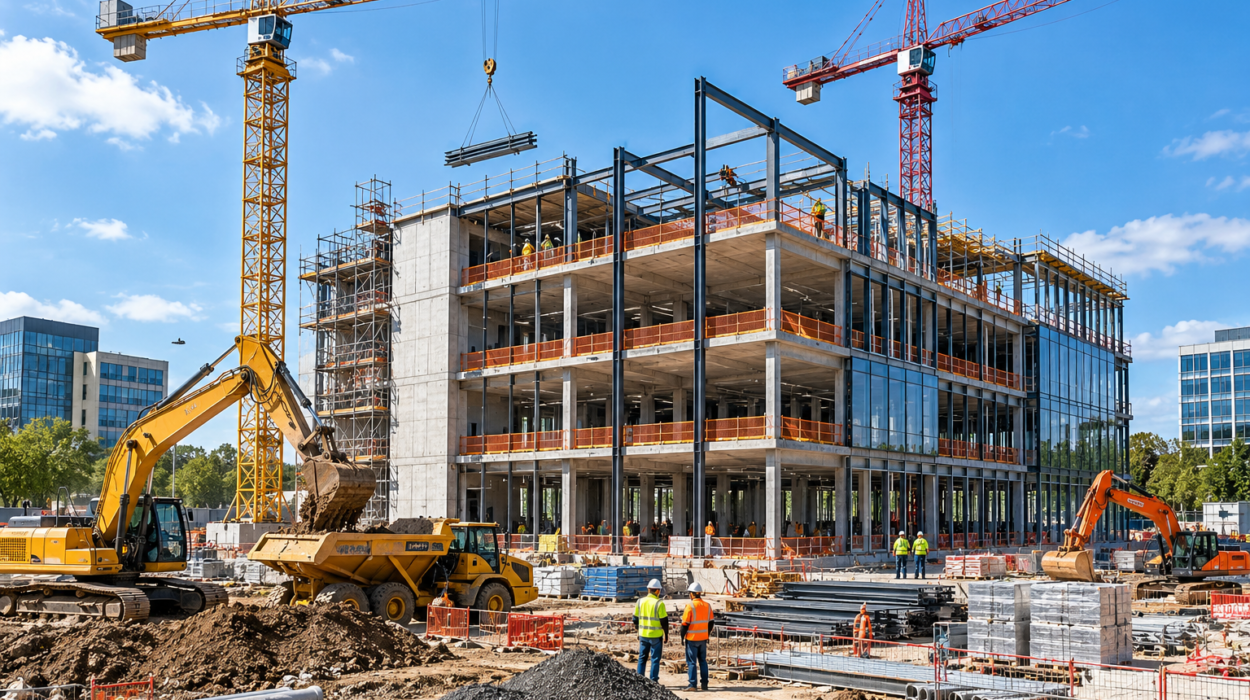
Trust plays an important role in commercial construction. Office developments can involve substantial investment, complex technical requirements, and demanding delivery schedules. As a result, property developers and corporate clients need confidence in the contractors they appoint.
That confidence often begins before the first meeting.
Potential clients may investigate construction companies through Google, LinkedIn, industry publications, and company websites. They may examine previous projects, professional qualifications, management experience, and public information about the business.
An outdated website or a lack of credible project evidence can make this research more difficult.
Meanwhile, a professional online presence can help demonstrate genuine capabilities and encourage suitable clients to make contact.
Building online authority isn’t about appearing larger or more experienced than your company actually is. It involves presenting accurate information, sharing useful expertise, and supporting claims with evidence.
This guide explores practical ways office construction businesses can strengthen their digital credibility and build trust with commercial clients.
Understand What Online Authority Means in Construction
Online authority describes the credibility and expertise that a business communicates through its digital presence.
For office construction companies, this should reflect genuine professional capabilities.
A credible business website explains relevant services.
It showcases completed developments.
It identifies experienced personnel.
It provides accurate company information.
It demonstrates appropriate technical knowledge.
However, online authority cannot replace actual construction competence.
Digital marketing should communicate genuine experience rather than manufacture an impressive appearance.
Identify What Commercial Clients Need to Know
Different commercial clients may have different concerns.
Property developers often assess construction experience, programme management, and financial suitability.
Corporate occupiers may prioritise operational requirements.
Investors might focus on development risks and long-term building performance.
Understand your target audience.
Identify common questions.
Review procurement expectations.
Consider typical project values.
Avoid assuming that every client evaluates contractors identically.
Relevant information helps prospective clients make informed decisions.
Establish a Professional Company Website
Your website is often a central source of information during preliminary contractor research.
It should communicate your services clearly.
Explain office construction capabilities.
Highlight relevant project experience.
Introduce key personnel.
Provide accurate contact information.
Maintain logical navigation.
Avoid generic promotional statements.
A professional website supports credibility by making important information accessible.
Present Accurate Company Information
Inconsistent or incomplete business information can create uncertainty.
Make it easy for visitors to identify your organisation.
Use your correct trading name.
Provide accurate contact details.
Explain your geographical coverage.
Include appropriate company information.
Maintain consistent details across professional profiles.
Avoid claiming locations where your business has no genuine presence.
Accuracy is a basic component of professional trust.
Showcase Completed Office Construction Projects
Completed developments provide valuable evidence of experience.
Prepare detailed case studies.
Explain project scope.
Identify your responsibilities.
Describe relevant technical challenges.
Highlight verified outcomes.
Include authorised photographs.
Avoid exaggerating achievements.
Real project evidence is more persuasive than unsupported claims about quality.
Explain Your Role in Each Development
Commercial construction projects frequently involve several organisations.
Potential clients need to understand what your company actually delivered.
Clarify whether you acted as principal contractor, specialist subcontractor, or another appointed party.
Describe relevant work packages.
Explain responsibilities.
Highlight suitable experience.
Avoid claiming credit for work performed by others.
Transparent descriptions strengthen professional credibility.
Introduce Your Construction Leadership Team
Experienced personnel can influence how potential clients assess your company.
Create informative team profiles.
Explain relevant responsibilities.
Highlight genuine qualifications.
Describe suitable project experience.
Include professional photographs where appropriate.
Avoid exaggerated biographies.
Clients often want to know who will manage their developments.
Demonstrate Relevant Technical Expertise
Office construction can involve complex structural systems, building services coordination, accessibility requirements, and demanding construction programmes.
Explain your relevant capabilities.
Discuss suitable construction methods.
Highlight specialist experience.
Describe appropriate coordination procedures.
Reference completed developments.
Avoid unsupported technical claims.
Specific information helps visitors understand your expertise.
Publish Educational Construction Content
Useful articles can demonstrate professional knowledge.
Consider explaining office construction planning, project scheduling, structural coordination, and commercial redevelopment.
Address genuine client questions.
Use clear language.
Reference practical experience.
Explain important limitations.
Avoid publishing generic content simply to increase article numbers.
Helpful resources can support credibility during the research process.
Strengthen Organic Search Visibility
Potential clients may use Google to investigate office construction companies.
A targeted approach to SEO for office construction companies can help improve relevant website content, technical performance, and organic discoverability.
Optimise important service pages.
Publish detailed case studies.
Improve internal linking.
Maintain accurate information.
Address relevant search intent.
Avoid keyword stuffing.
Search rankings aren’t guaranteed, but a useful website can support long-term visibility.
Maintain an Active LinkedIn Presence
LinkedIn can help office construction businesses communicate with commercial property professionals.
Maintain an accurate company profile.
Share completed project updates.
Publish relevant technical insights.
Engage with suitable discussions.
Connect with relevant organisations.
Avoid aggressive sales messages.
Professional activity can support recognition and relationship development.
Share Genuine Project Milestones
Construction progress updates can demonstrate active experience.
Highlight suitable milestones.
Explain relevant activities.
Share authorised photographs.
Discuss technical coordination.
Mention verified achievements.
Respect confidentiality requirements.
Avoid presenting routine activities as exceptional accomplishments.
Authentic updates can strengthen professional visibility.
Use Client Testimonials Responsibly
Client feedback can support credibility when it is genuine and relevant.
Request permission before publication.
Use accurate statements.
Provide appropriate context.
Identify clients where authorised.
Avoid altering the meaning of feedback.
Never invent endorsements.
Authentic testimonials can complement detailed project evidence.
Highlight Professional Qualifications
Relevant qualifications and certifications may help clients assess suitability.
Present accurate information.
Explain appropriate credentials.
Maintain current details.
Identify relevant personnel.
Avoid displaying expired certifications as current.
Don’t imply that a qualification guarantees project outcomes.
Professional credentials should be represented responsibly.
Explain Your Health and Safety Approach
Construction safety is an important consideration during contractor evaluation.
Your website can explain relevant management arrangements.
Describe suitable procedures.
Highlight appropriate training.
Explain relevant responsibilities.
Reference verified achievements.
Avoid unsupported safety statistics.
Accurate information can support preliminary assessments.
Demonstrate Quality Management Procedures
Commercial clients may want to understand how your company manages construction quality.
Explain relevant inspection processes.
Discuss appropriate supervision.
Describe coordination procedures.
Highlight suitable documentation practices.
Reference genuine project experience.
Avoid promising flawless outcomes.
Clear explanations can demonstrate a structured approach.
Communicate Your Project Management Capabilities
Office developments often require coordination between contractors, consultants, suppliers, and clients.
Describe relevant planning procedures.
Explain communication arrangements.
Discuss subcontractor coordination.
Highlight programme monitoring.
Address suitable risk management considerations.
Avoid unrealistic delivery promises.
Practical information helps clients understand how your company operates.
Publish Accurate Industry Commentary
Thoughtful commentary can demonstrate awareness of the wider commercial construction market.
Potential topics include workplace development, construction technology, and office redevelopment trends.
Research subjects carefully.
Distinguish facts from opinions.
Explain practical implications.
Avoid unsupported predictions.
Useful commentary can strengthen professional recognition.
Contribute to Relevant Industry Publications
Construction and commercial property publications may provide opportunities to share expertise.
Consider preparing project announcements.
Offer useful technical insights.
Provide accurate company information.
Share appropriate photographs.
Contact relevant editors.
Avoid exaggerated promotional claims.
Editorial coverage can introduce your company to professional audiences.
Build Relevant Professional Relationships
Online credibility can be strengthened through genuine industry relationships.
Connect with architects.
Engage with project managers.
Develop relationships with engineering consultants.
Communicate with commercial property professionals.
Share appropriate expertise.
Avoid requesting confidential project information.
Professional relationships can support recognition and future opportunities.
Earn Relevant Website References
Links and mentions from credible industry websites can help potential clients discover your company.
They may also contribute to organic search visibility.
Share genuine project achievements.
Publish useful resources.
Maintain appropriate professional listings.
Participate in relevant industry activities.
Avoid manipulative link schemes.
Credibility should guide external promotion.
Keep Your Online Information Consistent
Potential clients may compare information across several websites.
Inconsistent details can create confusion.
Review your company website.
Check LinkedIn profiles.
Maintain relevant business listings.
Update contact information.
Correct outdated service descriptions.
Avoid contradictory claims.
Consistent information supports professional confidence.
Respond Professionally to Enquiries
Online trust also depends on communication.
A professional website creates expectations about your company’s responsiveness.
Monitor enquiry channels.
Provide clear replies.
Ask relevant questions.
Explain appropriate next steps.
Maintain accurate records.
Avoid promising services you cannot deliver.
Reliable communication supports positive first impressions.
Address Negative Feedback Appropriately
Occasional criticism or disputes can affect any business.
Handle public feedback professionally.
Review the facts.
Respond respectfully where appropriate.
Protect confidential information.
Avoid confrontational exchanges.
Don’t publish misleading responses.
Professional conduct can demonstrate accountability.
Protect Website Security and Visitor Privacy
Technical reliability contributes to a trustworthy online presence.
Maintain secure website connections.
Keep software updated.
Protect enquiry information.
Use appropriate privacy notices.
Review contact forms.
Avoid collecting unnecessary personal data.
Responsible website management supports professional credibility.
Measure Trust Through Meaningful Outcomes
Website traffic and social media followers don’t necessarily demonstrate trust.
Review qualified enquiries.
Monitor relevant professional introductions.
Track tender invitations.
Assess repeat business.
Record suitable referrals.
Consider eventual contract opportunities.
Avoid measuring credibility solely through online popularity.
Commercial relationships provide more meaningful indicators.
Common Online Authority Mistakes
Several mistakes can undermine credibility.
These include:
- Publishing exaggerated company claims.
- Using misleading project photographs.
- Failing to explain construction responsibilities.
- Displaying outdated qualifications.
- Publishing generic technical content.
- Neglecting company information.
- Inventing testimonials.
- Ignoring website security.
- Responding unprofessionally to enquiries.
- Measuring success only through traffic.
Avoid attempting to manufacture authority through promotional language.
Genuine evidence provides a stronger foundation.
Create a Practical Online Trust Strategy
Begin by reviewing your existing digital presence.
Confirm company information.
Improve important website pages.
Prepare detailed project case studies.
Introduce relevant personnel.
Highlight genuine qualifications.
Publish useful technical content.
Maintain professional LinkedIn activity.
Develop appropriate industry relationships.
Review website security.
Respond consistently to enquiries.
Monitor commercial outcomes.
A structured approach helps maintain credibility over time.
Final Thoughts
Building online authority is an important part of marketing an office construction business.
Commercial property developers, investors, and corporate clients need confidence that contractors possess suitable experience and professional capabilities.
A clear website, detailed project case studies, genuine qualifications, and useful technical content can help communicate that experience.
Meanwhile, professional networking, relevant industry coverage, and consistent communication can strengthen recognition.
However, online trust cannot be created through marketing claims alone.
It must be supported by accurate information, genuine achievements, and responsible business practices.
By presenting credible evidence and maintaining a professional digital presence, office construction companies can improve how potential clients perceive their capabilities and strengthen their opportunities for future commercial projects.
