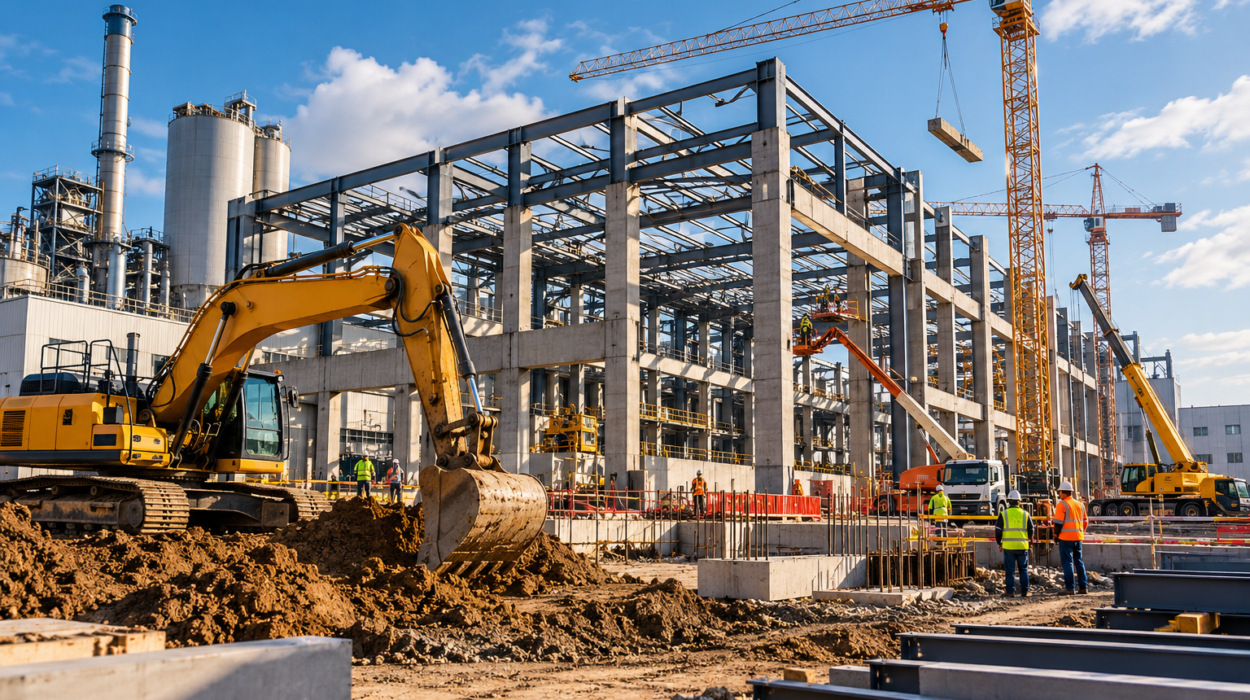
Manufacturers and industrial facility developers need construction contractors who understand far more than general building work. Industrial developments often involve specialised structures, demanding operational requirements, complex building services, and strict project schedules.
For construction companies, these requirements create an opportunity to differentiate themselves through specialist expertise.
However, technical capabilities alone don’t guarantee that potential clients will discover your business.
Manufacturers may already have established contractor relationships. Industrial developers may use formal procurement procedures, while corporate property teams often evaluate several companies before making appointments.
Effective marketing should therefore demonstrate relevant experience, communicate technical knowledge, and reach the professionals responsible for industrial development decisions.
Rather than promoting your business as a general construction contractor, focus on explaining the specific value you provide to industrial clients.
This guide explores practical strategies for marketing industrial construction expertise and attracting manufacturers, property developers, and organisations planning new facilities.
Understand the Needs of Manufacturing Clients
Manufacturing companies have construction requirements that can differ significantly from ordinary commercial developments.
A new production facility may need specialised foundations, heavy-duty flooring, extensive mechanical services, and carefully planned equipment installation areas.
An existing factory extension may require construction around ongoing operations.
Before developing marketing messages, understand the challenges your target clients face.
Research their industries.
Identify typical facility requirements.
Consider operational constraints.
Understand common development priorities.
Avoid assuming that every manufacturer has identical construction needs.
Relevant marketing begins with understanding the client’s business.
Identify the Right Industrial Development Clients
Industrial construction clients may include manufacturers, property developers, corporate property teams, and industrial investment companies.
Some commission facilities for their own operations.
Others develop industrial buildings for tenants or future purchasers.
Their priorities may differ.
Manufacturers often focus on operational suitability.
Property developers may place greater emphasis on commercial viability and construction programmes.
Corporate property teams may manage multiple facilities across different locations.
Define which organisations match your capabilities.
Target your marketing accordingly.
Position Your Company as an Industrial Construction Specialist
Specialist positioning helps potential clients understand your expertise.
Explain the industrial construction services your company provides.
Highlight relevant building types.
Describe technical capabilities.
Showcase completed projects.
Introduce experienced personnel.
Avoid vague claims about handling every possible construction requirement.
A clear specialism can help differentiate your company from general contractors.
Build a Website That Demonstrates Industrial Expertise
Your website should provide meaningful information about your industrial construction capabilities.
Create a dedicated service page.
Explain relevant project types.
Describe technical experience.
Highlight completed developments.
Introduce your construction management team.
Provide accurate company information.
Include clear contact options.
Avoid relying entirely on generic promotional statements.
A professional website can support initial enquiries and contractor evaluation.
Improve Search Visibility Among Industrial Clients
Manufacturers and developers may use Google to research specialist contractors.
A targeted search strategy can help your company become visible during this process.
Working with an industrial construction SEO agency can support technical website improvements, content development, and relevant organic search visibility.
Optimise important service pages.
Publish detailed case studies.
Use descriptive headings.
Improve internal linking.
Maintain accurate geographical information.
Avoid excessive keyword repetition.
Search rankings aren’t guaranteed, but relevant visibility can support long-term business development.
Showcase Manufacturing Facility Experience
Completed projects provide evidence of your company’s capabilities.
Prepare detailed case studies involving suitable industrial developments.
Explain the project scope.
Identify your responsibilities.
Describe technical challenges.
Discuss construction methods.
Highlight verified outcomes.
Include genuine photographs where permitted.
Avoid exaggerating your involvement.
Relevant examples help manufacturers assess your suitability for similar projects.
Explain Your Understanding of Production Requirements
Manufacturing facilities must support specific operational processes.
Construction decisions may affect equipment layouts, material movement, maintenance access, and future expansion.
If your company has relevant experience, explain it clearly.
Discuss coordination with equipment suppliers.
Describe suitable construction sequencing.
Highlight relevant building services experience.
Explain appropriate access considerations.
Provide genuine project examples.
Avoid claiming detailed knowledge of production systems outside your expertise.
Technical accuracy supports professional credibility.
Highlight Experience With Heavy-Duty Industrial Flooring
Industrial floors may need to support substantial loads, specialist equipment, or demanding operating conditions.
Requirements vary between facilities.
If your company has relevant experience, showcase it.
Explain suitable project responsibilities.
Describe coordination with designers.
Discuss relevant installation considerations.
Highlight quality management procedures.
Reference completed projects.
Avoid presenting a single flooring specification as suitable for every industrial building.
Specific expertise can help attract clients with demanding technical requirements.
Demonstrate Structural Construction Capabilities
Industrial buildings may involve large structural spans, specialist foundations, and complex load requirements.
Developers want confidence that contractors can manage the relevant construction activities.
Explain your structural construction experience.
Describe suitable project types.
Highlight coordination with structural engineers.
Discuss construction sequencing.
Provide verified examples.
Avoid making unsupported technical claims.
Clear information helps potential clients understand your capabilities.
Market Experience With Industrial Building Services
Manufacturing facilities may require extensive electrical, mechanical, ventilation, and process-related infrastructure.
Construction contractors often coordinate several specialist disciplines.
Describe your relevant experience.
Explain subcontractor management.
Highlight coordination procedures.
Discuss installation sequencing.
Provide suitable case studies.
Avoid claiming responsibility for specialist systems your company didn’t deliver.
Accurate descriptions strengthen credibility.
Promote Experience Working Within Operational Facilities
Some manufacturers need extensions or alterations while production continues.
These projects may involve restricted access, safety requirements, and operational coordination.
If your company has suitable experience, make it visible.
Explain how construction activities were planned.
Describe relevant access arrangements.
Discuss communication with facility representatives.
Highlight appropriate safety procedures.
Reference genuine projects.
Avoid guaranteeing that construction will cause no disruption.
Practical experience can differentiate your business.
Develop Content Around Industrial Construction Challenges
Educational content can demonstrate specialist knowledge.
Manufacturers may research construction requirements before contacting contractors.
Publish articles about factory extensions, industrial building planning, construction scheduling, and operational facility alterations.
Explain relevant challenges.
Provide accurate information.
Use practical examples.
Link to suitable service pages.
Avoid generic articles with little industrial relevance.
Useful content can support both credibility and search visibility.
Create Technical Project Case Studies
Industrial clients may value detailed project information.
A technical case study can explain more than the appearance of a completed building.
Describe relevant specifications.
Explain construction constraints.
Discuss coordination requirements.
Highlight appropriate management procedures.
Present verified outcomes.
Avoid publishing confidential technical information without permission.
Detailed examples can help developers evaluate your experience.
Use LinkedIn to Reach Manufacturing Professionals
LinkedIn can help construction companies connect with industrial decision-makers.
Relevant contacts may include facilities directors, engineering managers, and corporate property professionals.
Create an accurate company profile.
Share completed project updates.
Publish technical insights.
Connect with suitable professionals.
Participate in relevant discussions.
Avoid repetitive promotional messages.
Professional networking can help establish familiarity before construction requirements arise.
Build Relationships With Industrial Property Developers
Industrial developers may commission multiple projects over time.
Research relevant organisations.
Review their development portfolios.
Identify suitable contacts.
Introduce your capabilities.
Share relevant case studies.
Maintain appropriate communication.
Avoid aggressive sales approaches.
Long-term professional relationships can support future business opportunities.
Network With Industrial Architects and Engineers
Design consultants often become involved before construction begins.
Architects, structural engineers, and building services specialists may work on several industrial developments.
Research relevant practices.
Attend suitable industry events.
Share genuine technical experience.
Participate in professional discussions.
Maintain appropriate contact.
Avoid requesting confidential project information.
A strong professional network can increase awareness of your company.
Attend Manufacturing Trade Exhibitions
Manufacturing events can provide opportunities to meet companies planning future investment.
Research relevant exhibitions.
Identify suitable attendees.
Prepare a concise company introduction.
Discuss genuine facility requirements.
Share relevant project examples.
Follow up professionally.
Avoid treating every attendee as an immediate construction prospect.
Industry events are most useful when they support targeted relationship building.
Monitor Manufacturing Investment Announcements
Companies may announce plans to increase production capacity or establish new facilities.
These developments can indicate potential construction requirements.
Follow relevant manufacturers.
Review company announcements.
Monitor regional investment news.
Research proposed locations.
Track planning activity.
Identify appropriate contacts.
Avoid assuming that every investment programme involves new construction.
Further investigation helps qualify opportunities.
Create a Professional Capability Statement
A capability statement can support introductions to manufacturers and developers.
Include your company background.
Explain relevant industrial construction services.
Highlight suitable completed projects.
Describe technical capabilities.
Introduce key personnel.
Provide accurate contact information.
Avoid unsupported promotional claims.
A concise document helps potential clients understand your experience quickly.
Tailor Marketing Materials to Different Industries
Industrial construction requirements can vary between manufacturing sectors.
A food production facility may have different building considerations from an engineering plant.
Avoid sending identical materials to every prospect.
Research relevant requirements.
Select appropriate project examples.
Highlight suitable technical experience.
Explain your company’s responsibilities.
Maintain accurate information.
Targeted marketing is more persuasive than generic promotion.
Demonstrate Health and Safety Competence
Industrial construction projects may involve heavy equipment, specialist lifting activities, and complex site conditions.
Clients need confidence in your approach to managing relevant risks.
Maintain appropriate procedures.
Explain relevant training.
Highlight suitable project experience.
Describe subcontractor expectations.
Provide accurate documentation.
Avoid unsupported safety claims.
Credible information can support contractor prequalification.
Explain Your Project Management Approach
Manufacturers and developers often need reliable construction programmes.
Delays may affect production plans, property commitments, or equipment installation schedules.
Explain programme management procedures.
Discuss subcontractor coordination.
Describe progress reporting.
Highlight procurement planning.
Explain relevant risk management practices.
Avoid promising unrealistic completion dates.
Professional project management is an important part of your marketing proposition.
Use Industry Publications to Increase Visibility
Manufacturing and construction publications may provide opportunities to showcase your expertise.
Consider sharing genuine project achievements.
Publish relevant technical insights.
Prepare accurate company announcements.
Provide suitable photographs.
Contact appropriate publications.
Avoid exaggerated claims.
Industry coverage can introduce your business to relevant professional audiences.
Make Your Enquiry Process Straightforward
Interested manufacturers and developers should be able to contact your company easily.
Provide clear contact information.
Use a straightforward enquiry form.
Identify suitable contact personnel.
Explain appropriate next steps.
Avoid requesting excessive information before an initial conversation.
A professional enquiry process supports positive first impressions.
Track Marketing Performance
Marketing should be evaluated against relevant commercial outcomes.
Monitor qualified enquiries.
Track lead sources.
Record meetings with manufacturers.
Review tender invitations.
Assess proposal outcomes.
Consider contract values and profitability.
Avoid relying entirely on website traffic or social media followers.
Commercial relevance provides a clearer measure of marketing effectiveness.
Common Industrial Construction Marketing Mistakes
Several mistakes can reduce results.
These include:
- Using generic construction messaging.
- Targeting unsuitable manufacturers.
- Neglecting technical case studies.
- Exaggerating specialist capabilities.
- Ignoring professional networking.
- Publishing irrelevant content.
- Failing to identify decision-makers.
- Using outdated website information.
- Making unrealistic delivery promises.
- Measuring success only through enquiry volume.
Avoid presenting your company as an expert in every industrial sector without supporting experience.
Credibility depends on accuracy.
Create a Focused Industrial Construction Marketing Plan
Start by identifying your ideal manufacturing clients.
Review your strongest technical capabilities.
Improve your website.
Prepare relevant case studies.
Develop useful supporting content.
Build relationships with developers.
Connect with manufacturing professionals.
Attend suitable industry events.
Monitor upcoming facility developments.
Track qualified enquiries.
Review marketing performance regularly.
A consistent strategy can help strengthen your company’s position within the industrial construction market.
Final Thoughts
Marketing industrial construction expertise requires a clear understanding of manufacturing operations, property development, and specialist building requirements.
Manufacturers and facility developers want contractors who can demonstrate technical competence, reliable project management, and relevant experience.
A professional website and detailed case studies help communicate these capabilities.
Meanwhile, targeted search visibility, LinkedIn networking, industry publications, and professional relationships can introduce your company to suitable clients.
However, successful marketing must reflect genuine construction expertise.
By focusing on relevant industries, explaining technical capabilities clearly, and demonstrating completed project experience, industrial construction companies can improve their visibility and attract more valuable development opportunities.
