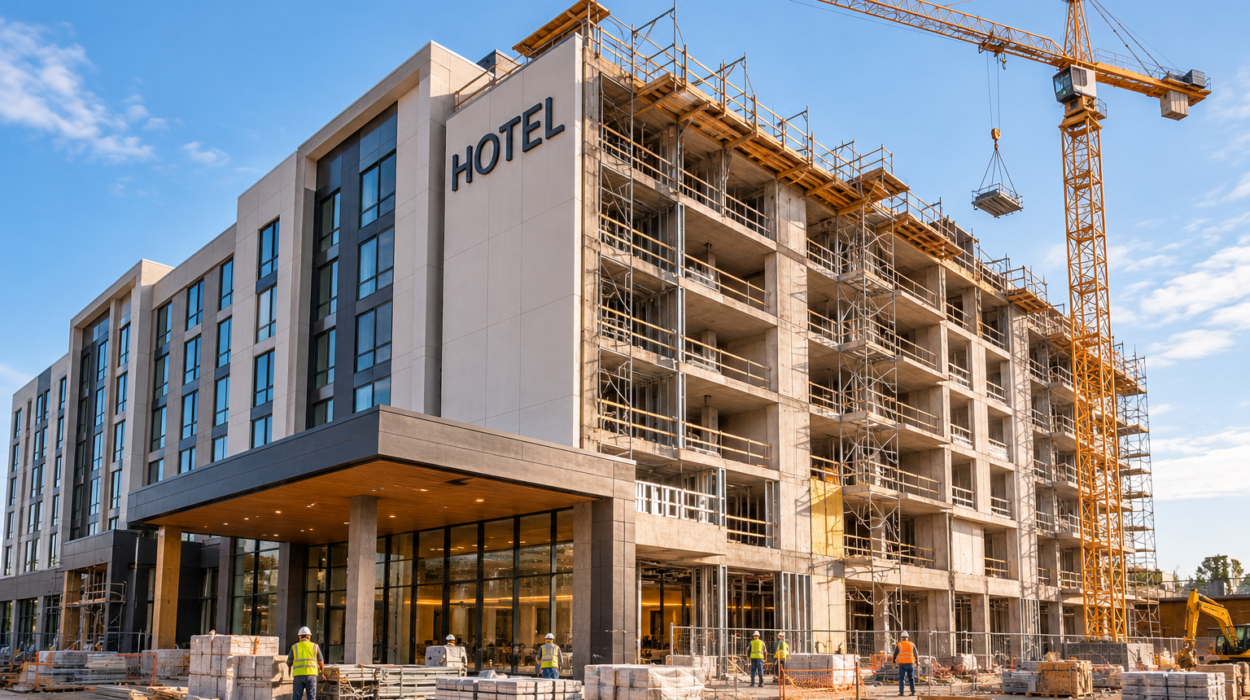
A strong online reputation can influence whether a hotel developer considers your construction company for a major project. Before making contact, potential clients may research your website, examine previous developments, review company information, and investigate your professional track record.
Hotel construction projects often involve substantial investments and demanding completion schedules. Developers need confidence that contractors can manage complex building requirements and deliver work professionally.
As a result, your online reputation should demonstrate more than an attractive website.
It should provide credible evidence of construction experience, reliable business practices, and professional relationships.
However, building that reputation requires consistency. A single positive review or impressive project photograph is rarely enough to establish lasting credibility.
This guide explains how hotel construction companies can strengthen their online reputation, demonstrate expertise, and build greater confidence among potential clients.
Why Online Reputation Matters in Hotel Construction
Hotel construction clients often conduct extensive research before selecting contractors.
A developer may compare several companies before inviting them to tender.
During this process, your online presence can influence initial impressions.
An informative website may encourage further consideration.
Detailed case studies can demonstrate relevant experience.
Consistent business information helps establish legitimacy.
Meanwhile, outdated information or unsupported claims can create uncertainty.
A strong reputation doesn’t guarantee contracts, but it can support the credibility required to compete for valuable projects.
Understand What Hotel Developers Want to See
Developers assess contractors using several criteria.
These may include previous project experience, technical capabilities, financial stability, and construction management procedures.
Your online reputation should reflect these priorities.
Showcase relevant developments.
Explain your construction services.
Introduce experienced personnel.
Provide accurate company information.
Highlight suitable qualifications.
Avoid generic claims that could describe any construction business.
Specific evidence is more useful than broad promotional statements.
Build a Professional Company Website
Your website is often the first place potential clients investigate your business.
It should present accurate information clearly.
Create a dedicated hotel construction service page.
Explain your capabilities.
Showcase relevant completed projects.
Introduce your company.
Provide clear contact details.
Maintain a logical navigation structure.
Ensure the website works properly on mobile devices.
Avoid outdated photographs, broken links, and incomplete pages.
A professional website helps visitors evaluate your business efficiently.
Maintain Accurate Business Information
Inconsistent company details can create confusion.
Review your website and professional profiles regularly.
Use the correct company name.
Maintain accurate contact information.
Update office locations where necessary.
Ensure service descriptions reflect current capabilities.
Remove outdated personnel information.
Avoid displaying qualifications or memberships that are no longer valid.
Accurate information supports a trustworthy professional identity.
Improve Your Visibility in Search Results
Potential clients may search for your company name before making contact.
They may also research specialist contractors through Google.
A targeted approach to SEO for hotel construction company websites can help improve organic visibility and make relevant information easier to discover.
Optimise important service pages.
Publish useful supporting content.
Create descriptive page titles.
Improve internal linking.
Maintain technical website performance.
Avoid excessive keyword repetition.
Search optimisation should make genuine company information more accessible rather than create misleading impressions.
Publish Detailed Hotel Construction Case Studies
Case studies provide evidence of completed work.
They can be particularly valuable when approaching developers responsible for substantial investments.
Explain each project’s scope.
Identify your company’s responsibilities.
Describe construction challenges.
Discuss relevant management procedures.
Highlight verified outcomes.
Include suitable photographs where permitted.
Avoid exaggerating your involvement.
A detailed case study helps potential clients understand how your company operates.
Use Genuine Construction Photography
Professional photographs can strengthen your online reputation.
They help demonstrate the scale and quality of completed projects.
Show relevant construction stages.
Include completed building images.
Highlight suitable technical work.
Provide accurate captions.
Obtain necessary permissions.
Avoid using stock photographs that could be mistaken for your company’s projects.
Authentic images are more credible than generic promotional visuals.
Encourage Genuine Client Testimonials
Client testimonials can provide useful perspectives on your company’s performance.
However, construction projects often involve commercial confidentiality.
Request feedback from appropriate clients.
Explain how the testimonial may be used.
Obtain permission before publishing names or project details.
Keep statements accurate.
Avoid editing feedback in ways that change its meaning.
Never create fictional testimonials.
Genuine recommendations can help prospective clients assess your professionalism.
Manage Online Reviews Professionally
Some construction businesses receive public reviews through business profiles or industry platforms.
Monitor relevant feedback.
Respond professionally where appropriate.
Thank clients for genuine positive reviews.
Address legitimate concerns calmly.
Avoid arguments.
Don’t disclose confidential project information.
Never purchase fabricated reviews.
A professional response to criticism can demonstrate accountability.
Showcase Relevant Qualifications and Accreditations
Qualifications and industry accreditations may help potential clients assess your company.
However, they should be presented accurately.
List relevant current certifications.
Explain their significance where useful.
Maintain up-to-date information.
Provide verification details when appropriate.
Avoid displaying expired credentials.
Don’t imply that a qualification guarantees construction performance.
Accurate professional information supports credibility.
Introduce Your Construction Management Team
Hotel developers may want to understand who will manage their projects.
Create suitable team profiles.
Explain professional responsibilities.
Highlight relevant experience.
Describe technical specialisms.
Include appropriate qualifications.
Maintain accurate employment information.
Avoid exaggerating individual achievements.
Introducing experienced personnel can make your business more transparent and approachable.
Demonstrate Your Approach to Quality Management
Construction quality is particularly important in hotel developments.
Buildings may involve detailed specifications, extensive fit-outs, and coordinated building services.
Explain your quality management approach.
Discuss inspection procedures.
Describe subcontractor coordination.
Highlight relevant documentation practices.
Explain how defects are managed.
Avoid making unsupported claims about perfect project delivery.
A practical explanation demonstrates greater credibility than promotional slogans.
Communicate Your Health and Safety Commitment
Health and safety performance can influence contractor selection.
Potential clients may assess relevant policies, procedures, and experience.
Provide accurate information about your approach.
Describe appropriate site management practices.
Highlight relevant training.
Explain subcontractor expectations.
Maintain current documentation.
Avoid claiming an incident-free history unless accurate and appropriately evidenced.
Your online content should reflect genuine operational practices.
Build a Professional LinkedIn Presence
LinkedIn can help strengthen your company’s reputation among property professionals.
Create an accurate company profile.
Share completed project updates.
Publish relevant construction insights.
Highlight genuine achievements.
Connect with suitable industry contacts.
Participate in professional discussions.
Avoid aggressive promotional messaging.
A consistent professional presence can help developers become familiar with your business.
Encourage Relevant Team Members to Participate
Your company’s reputation extends beyond its official profiles.
Experienced directors and project managers may contribute valuable professional insights.
Encourage appropriate LinkedIn participation.
Share relevant construction knowledge.
Discuss genuine project challenges.
Highlight suitable achievements.
Maintain professional communication.
Avoid revealing confidential information.
Visible expertise can support confidence in your wider organisation.
Publish Useful Educational Content
Educational articles can demonstrate your understanding of hotel construction.
Potential clients may research technical and commercial challenges before selecting contractors.
Consider topics such as construction scheduling, hotel refurbishment, building services coordination, and project budgeting.
Provide practical explanations.
Use accurate information.
Reference genuine experience.
Avoid publishing generic content solely to attract search traffic.
Useful articles can strengthen your reputation as a knowledgeable construction business.
Maintain Consistent Branding
Your website, LinkedIn profiles, and marketing materials should present a recognisable company identity.
Use consistent visual branding.
Maintain accurate descriptions.
Update contact details.
Use appropriate project photographs.
Keep company messaging aligned.
Avoid contradictory information across different platforms.
Consistency helps potential clients recognise and understand your business.
Earn Coverage in Relevant Industry Publications
Industry coverage can introduce your company to property developers and construction professionals.
Consider sharing genuine company developments.
These may include completed hotel projects, significant appointments, or technical achievements.
Prepare accurate announcements.
Provide appropriate photographs.
Contact relevant publications.
Avoid exaggerated claims.
Editorial coverage can complement your existing marketing activities.
Build Relationships With Industry Professionals
Online reputation also develops through professional relationships.
Architects, engineers, quantity surveyors, and project managers may work with multiple hotel developers.
Maintain professional communication.
Share relevant experience.
Participate in industry discussions.
Attend suitable events.
Follow up appropriately.
Avoid requesting confidential project information.
Strong relationships can contribute to professional recommendations and future opportunities.
Handle Negative Feedback Constructively
Even experienced construction companies may encounter disagreements.
The way your business responds can affect its reputation.
Investigate concerns carefully.
Communicate professionally.
Correct factual errors where appropriate.
Respect confidentiality.
Avoid public arguments.
Seek suitable professional advice when disputes involve legal or contractual issues.
A measured response demonstrates professionalism without requiring public disclosure of sensitive information.
Avoid Misleading Marketing Claims
Exaggerated marketing can damage credibility.
Don’t claim to have completed projects your company didn’t undertake.
Avoid suggesting partnerships that don’t exist.
Use brand names and logos only where permitted.
Present qualifications accurately.
Don’t guarantee outcomes you cannot control.
Be transparent about your capabilities.
Trust develops when marketing claims match genuine experience.
Monitor Your Company’s Online Presence
Regular monitoring helps identify outdated information and potential reputation issues.
Search for your company name.
Review relevant business profiles.
Check website information.
Monitor appropriate review platforms.
Inspect professional listings.
Update inaccurate details.
Avoid obsessing over every mention.
Focus on information that could materially affect how potential clients understand your business.
Respond to Enquiries Professionally
Your reputation isn’t determined entirely by published content.
Communication with potential clients also matters.
Acknowledge relevant enquiries promptly.
Provide accurate information.
Ask appropriate project questions.
Explain suitable next steps.
Avoid unrealistic promises.
Maintain professional follow-up.
A positive initial experience can reinforce the credibility established through your website and professional profiles.
Measure Reputation Through Business Outcomes
Social media followers and website impressions don’t necessarily indicate professional trust.
Consider more meaningful indicators.
Monitor qualified enquiries.
Record relevant referrals.
Track tender invitations.
Review repeat business.
Assess client feedback.
Identify opportunities generated through professional relationships.
Avoid treating popularity as a substitute for construction performance.
A strong reputation should support genuine business objectives.
Common Online Reputation Mistakes
Several mistakes can undermine credibility.
These include:
- Publishing outdated company information.
- Using misleading project photographs.
- Exaggerating construction experience.
- Displaying expired accreditations.
- Creating fabricated testimonials.
- Ignoring legitimate client concerns.
- Publishing confidential project details.
- Neglecting professional profiles.
- Using inconsistent company information.
- Making unrealistic performance promises.
Avoid focusing entirely on positive publicity.
Accuracy and transparency are equally important.
Create a Long-Term Reputation Management Strategy
Start by reviewing your existing online presence.
Update your website.
Check business information.
Improve project case studies.
Maintain accurate professional profiles.
Request genuine client feedback.
Publish useful construction insights.
Monitor relevant reviews.
Build industry relationships.
Review information regularly.
A consistent approach can help your company establish lasting professional credibility.
Final Thoughts
Building a strong online reputation for a hotel construction business requires genuine experience, accurate information, and professional communication.
Hotel developers want contractors who can demonstrate technical capabilities, reliable project management, and a credible record of completed work.
A professional website and detailed case studies provide valuable evidence.
Meanwhile, client feedback, LinkedIn activity, industry relationships, and relevant publications can strengthen wider awareness.
However, online reputation must reflect real business performance.
Misleading claims or fabricated testimonials can undermine the trust your company wants to establish.
By presenting genuine achievements, maintaining accurate information, and responding professionally to clients, hotel construction contractors can build a reputation that supports stronger relationships and future construction opportunities.
